 (707) 314-5816
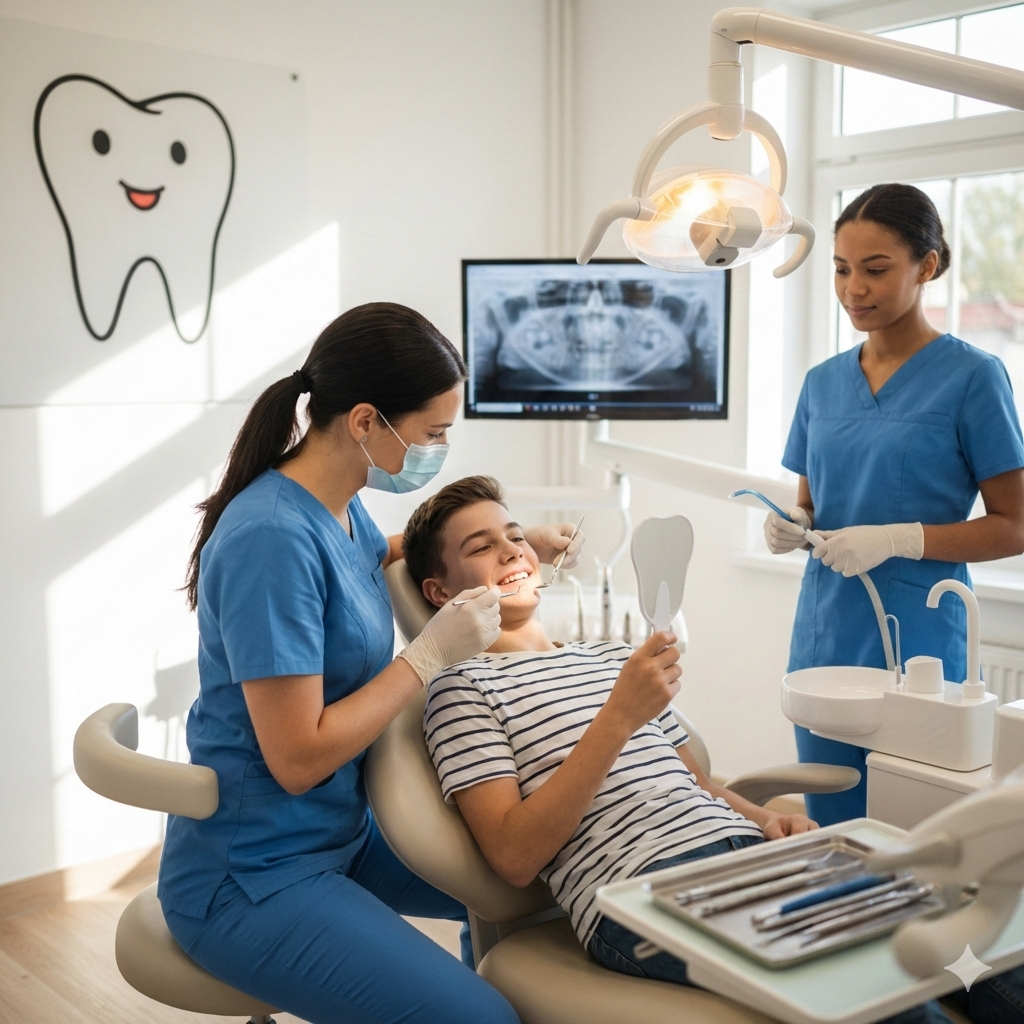
Finding the right pediatric dentist in San Jose can make a big difference in your child’s dental health and comfort. A pediatric dentist in San Jose specializes in caring for children’s teeth with gentle techniques tailored to young patients, helping build healthy habits from the start.
They focus on creating a welcoming environment where kids feel at ease, while offering modern treatments that prevent common dental issues. Parents can feel confident knowing the dentist understands both the emotional and physical needs of children during each visit.
Many families look for a dental expert who prioritizes prevention and education, helping kids enjoy strong, healthy smiles as they grow. If you’re wondering when to schedule your child’s first visit or how to manage dental anxiety, exploring local pediatric dentists can be a great first step.
Why Choose a Pediatric Dentist in San Jose?
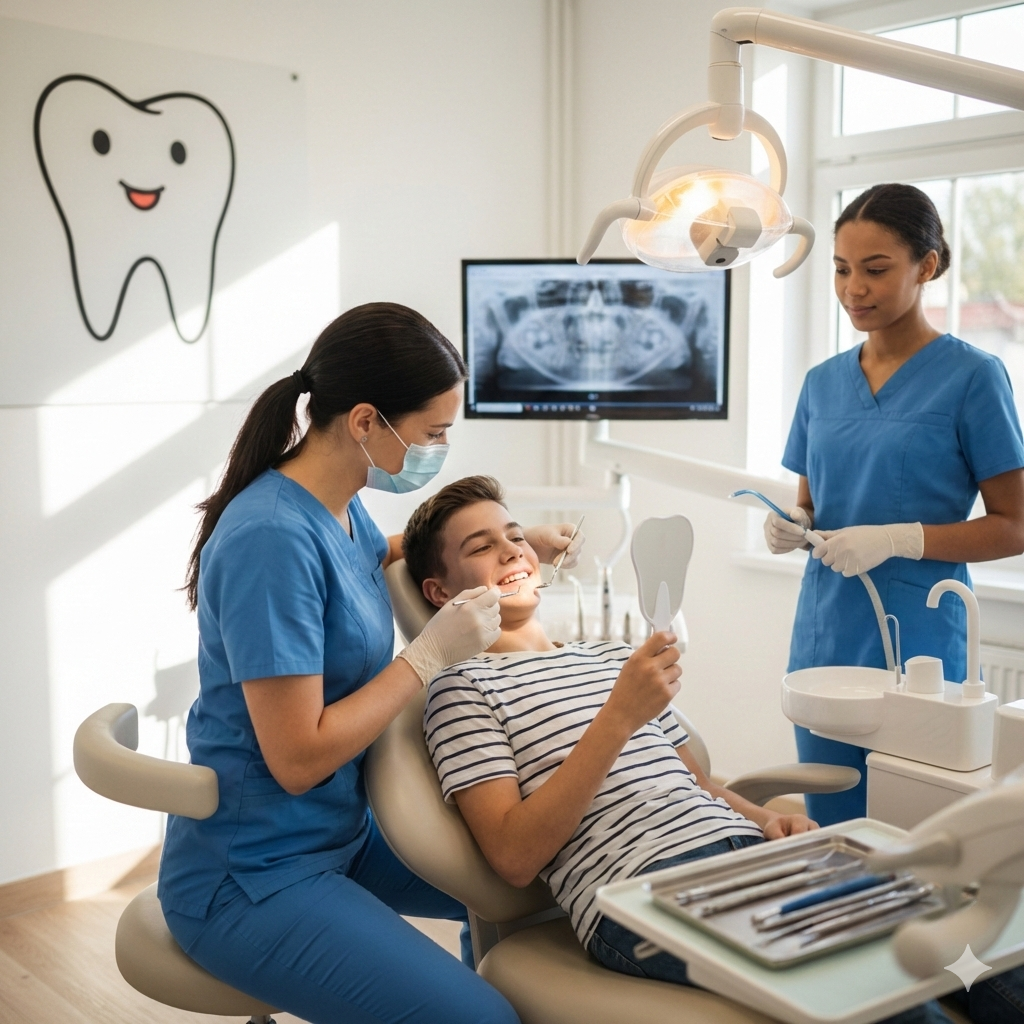
Choosing the right dental care for children means considering specialized training, a child-friendly environment, and a dentist who understands local community needs. These factors work together to ensure kids feel safe, cared for, and leave with healthy smiles.
Specialized Training for Children’s Dental Care
Pediatric dentists in San Jose complete additional years of training beyond dental school, focusing exclusively on children’s oral health. This includes managing the unique dental issues that arise in infants, toddlers, and teenagers. They learn techniques to handle developing teeth, behavioral management, and early detection of problems.
These specialists understand how children’s teeth grow and how habits like thumb sucking or pacifier use affect oral health. They also stay current with technology designed specifically for children, such as fluoride treatments and sealants that protect young teeth from cavities. The expertise ensures timely, age-appropriate care that sets a strong foundation for adult dental health.
Comforting Atmosphere for Kids
Pediatric dental offices in San Jose often create spaces designed to reduce fear and anxiety for children. Bright colors, toys, and child-sized dental chairs make visits less intimidating. Staff are trained to communicate kindly and use gentle techniques that make kids feel respected and involved.
Many offices offer distractions like videos or music, and dentists use clear, simple language to explain each step of the appointment. This thoughtful approach builds trust, making regular dental visits a positive experience rather than a chore or source of stress. It encourages lifelong habits and reduces dental anxiety as children grow.
Understanding Local Families’ Needs
San Jose pediatric dentists are deeply familiar with the cultural and linguistic diversity of the area. They often offer services in multiple languages and tailor treatment plans to fit each family’s lifestyle and values. This local knowledge helps build stronger relationships between the dentist, child, and parents.
They are also aware of common health concerns in the community, such as dietary habits that influence dental health. Pediatric dentists collaborate with schools and community programs to promote oral hygiene education. This connection to the local population ensures families receive personalized care that fits their realities and needs.
Common Services Offered by Pediatric Dentists
Pediatric dentists focus on gentle, child-friendly care that helps develop healthy habits early on. Their services protect young teeth from decay, treat any problems with minimal discomfort, and encourage positive experiences with dental visits.
Routine Checkups and Cleanings
Routine checkups are essential for monitoring a child’s oral development and catching issues early. During these visits, the dentist will examine the teeth, gums, and jaw to ensure everything is growing correctly.
Professional cleanings remove plaque and tartar buildup that brushing alone can’t eliminate. These cleanings help prevent cavities and gum disease. The dentist or hygienist may also offer tips on brushing techniques and recommend products suited for the child’s age.
These visits usually last about 30 minutes and are designed to be calm and reassuring, helping kids feel comfortable about dental care as part of their regular routine.
Dental Sealants and Fluoride Treatments
Dental sealants are thin coatings applied to the chewing surfaces of molars, where most cavities develop. Sealants act as a physical barrier against food particles and bacteria.
Fluoride treatments strengthen tooth enamel, making it more resistant to decay. Fluoride is usually applied as a gel, foam, or varnish during the cleaning appointment.
Both sealants and fluoride treatments are quick, painless, and effective ways to reduce cavity risk. These preventive steps are especially recommended for children who may struggle with thorough brushing or have a history of cavities.
Cavity Prevention and Fillings
Cavity prevention starts with education on proper brushing, flossing, and diet. Pediatric dentists work with families to identify habits that might increase decay risk, such as frequent sugary snacks.
If a cavity does form, the dentist will gently remove the decayed area and fill the tooth, usually using tooth-colored composite resin for a natural look. Local anesthesia is often used to ensure comfort during the procedure.
Children respond well to dentists who explain each step clearly and use distraction or comfort techniques. Early treatment avoids more complex problems later and helps maintain healthy smiles.
How Pediatric Dentists Make Visits Comfortable
Pediatric dentists focus on creating a calm and positive environment for children. They use specific techniques and thoughtful office setups that help young patients feel safe and engaged throughout their visit.
Gentle Approaches to Dental Anxiety
Pediatric dentists use gentle techniques tailored to children’s needs. They speak softly and explain procedures in simple words to help kids understand what’s happening. This transparency reduces fear and builds trust.
Many dentists practice “tell-show-do,” where they first tell the child what they will do, then show the tools, and finally perform the procedure. This step-by-step approach eases anxiety by making the experience less intimidating.
Distraction methods such as storytelling, videos, or music can also help shift a child’s focus away from discomfort. Dentists often encourage parents to stay nearby for extra reassurance during treatments.
Kid-Friendly Office Design
The office atmosphere plays a big role in comfort. Pediatric dental clinics often feature bright colors, fun wall murals, and playful decor to make children feel at home.
Waiting areas usually have toys, books, and games designed to keep kids busy and relaxed before appointments. Child-sized furniture ensures the space is physically comfortable for little patients.
Treatment rooms may include visual distractions like ceiling-mounted TVs or interactive screens. These features help lower stress and create a more positive association with dental visits.
Age-Appropriate Dental Milestones
Different stages of childhood bring distinct dental milestones that guide care and prevention. Recognizing these key phases helps parents support their child’s oral health with the right habits and professional visits.
Infant and Toddler Dental Development
Babies typically get their first tooth between 6 and 12 months. The appearance of these primary teeth marks the start of important oral milestones. Early dental visits are encouraged by the child’s first birthday to check for proper growth and to discuss cleaning techniques.
Toddlers need gentle brushing with a soft-bristled toothbrush twice a day using a small smear of fluoride toothpaste. Avoid sugary drinks and snacks to prevent early decay. Teething can cause discomfort, so cold teething rings may soothe gums safely.
Dental Care for School-Age Children
By age six, most children start losing baby teeth and permanent teeth begin to come in. This transition period requires extra attention to brushing, flossing, and balanced nutrition to support strong enamel.
Regular dental check-ups every six months help catch cavities early. Sealants and fluoride treatments from the dentist can protect new permanent molars. It’s also a good time to introduce responsibility for oral hygiene routines.
Teen Oral Health Considerations
Teens face unique challenges like braces, sports injuries, and hormonal changes that affect oral health. They should maintain twice-daily brushing and flossing and use mouthguards for sports to prevent damage.
Wisdom teeth often emerge in the late teens and may need monitoring or removal if they cause crowding. Dentists can also discuss cosmetic concerns and habits like tobacco use, helping teens make informed choices about their smiles.
Preventive Care and Education
Preventive care in pediatric dentistry focuses on protecting young teeth and teaching families how to maintain good oral health habits. This approach helps avoid common issues like cavities and gum disease before they start.
Healthy Habits for Families
Establishing a solid oral hygiene routine at home is essential for children. Parents should encourage brushing twice a day with a fluoride toothpaste and flossing daily once teeth begin to touch. Using a pea-sized amount of toothpaste ensures safety and effectiveness.
Regular dental check-ups allow the dentist to monitor growth and catch problems early. Creating a positive experience at the dentist helps reduce fear and builds lifelong healthy habits. Limiting sugary snacks and drinks supports stronger teeth.
Nutritional Guidance for Growing Smiles
Nutrition plays a key role in dental health. A diet rich in calcium, vitamin D, and phosphorus supports strong enamel development. Fresh fruits and vegetables provide essential vitamins and promote saliva production, which naturally cleans teeth.
Avoiding frequent consumption of sticky sweets and sugary drinks helps reduce decay risk. Drinking plenty of water, especially fluoridated tap water, helps wash away food particles and strengthens teeth between meals. Teaching kids to make smart food choices supports their dental and overall health.
Modern Techniques and Technologies in Pediatric Dentistry
Pediatric dentists use advanced tools and methods designed to make dental care gentle, effective, and less stressful for children. These approaches focus on reducing discomfort and improving diagnosis to keep young smiles healthy.
Minimally Invasive Treatment Options
Minimally invasive treatments aim to preserve as much natural tooth structure as possible while treating decay or damage. Techniques such as silver diamine fluoride (SDF) help stop cavities without drilling. This approach is quick and painless, ideal for young or anxious children.
Another popular method is air abrasion, which removes decay with a gentle stream of tiny particles, eliminating the need for a dental drill. This reduces noise and vibration, helping kids stay calm during procedures.
Pediatric dentists also use sealants to protect teeth from cavities. Sealants create a thin, protective barrier over the chewing surfaces of molars, preventing decay before it starts. These treatments prioritize comfort and prevention, making dental visits a positive experience.
Digital Imaging and Diagnostics
Digital technology has transformed how pediatric dentists diagnose and plan treatment. Digital X-rays use less radiation than traditional film and produce images instantly. This speeds up diagnosis and helps dentists explain conditions to parents clearly.
Advanced tools like intraoral cameras let dentists capture close-up pictures inside the mouth. These images show exactly what needs attention, making it easier for children and parents to understand dental health.
Some offices use 3D imaging for complex cases, providing detailed views of teeth and jaws. These technologies improve accuracy and allow for more precise treatments while keeping visits quick and comfortable.
Choosing the Right Pediatric Dentist in San Jose
Finding a pediatric dentist who understands children’s unique dental needs and creates a comfortable atmosphere is crucial. Consider factors that help ensure your child’s visits are positive and their oral health is managed well.
Questions to Ask at Your Consultation
Parents should prepare a list of important questions before their child’s first visit. Key inquiries include:
- Experience with children of similar age: Does the dentist treat toddlers, school-age kids, or teens?
- Approach to anxiety or fears: What techniques does the dentist use to help children feel calm?
- Preventive care offered: Are fluoride treatments or sealants provided?
- Emergency protocols: How does the office handle dental emergencies outside regular hours?
Asking about staff qualifications and sanitation practices is also essential. Clear answers help parents feel confident the dentist will offer safe, gentle care tailored to their child.
Community Reputation and Patient Reviews
Reputation in San Jose’s community often reflects the quality of care a pediatric dentist provides. Reviewing online testimonials can reveal consistent themes like friendly staff, thorough explanations, and successful treatments.
Local word-of-mouth recommendations through schools or parenting groups are valuable. They can highlight dentists who make visits enjoyable, encourage good oral habits, and handle complicated cases gently.
Look for dentists with a balance of professional credentials and positive family feedback to find someone trusted by the community. This often leads to better experiences and long-lasting dental health for children.
Partnering with Your Family for Lifelong Oral Health
A pediatric dentist in San Jose works closely with families to create a supportive environment for children’s oral health. They believe strong communication and trust with parents build a foundation for good dental habits that last a lifetime.
Regular check-ups are just the start. Dentists provide guidance on daily brushing and flossing techniques that fit your child’s age. They also discuss nutrition choices that help protect teeth and gums from decay.
Together, the dental team and parents can monitor growth and changes in a child’s mouth. This helps catch issues early, like misaligned teeth or potential cavities. Early action often means simpler, less invasive treatments.
Here are some key ways families can partner with their pediatric dentist:
- Ask questions about any concerns or new symptoms
- Follow recommended schedules for visits and cleanings
- Encourage positive habits through praise and routine
- Share family dental history to inform personalized care
This cooperative approach supports your child’s comfort during visits and fosters lifelong dental wellness. Families are invited to reach out anytime with questions or to schedule an appointment that fits their busy lives.
Frequently Asked Questions
Understanding the right time for appointments, managing anxiety, and knowing about available services helps parents provide the best care. Maintaining good oral hygiene and recognizing early signs of orthodontic needs are key to a healthy smile.
When should my child have their first dental appointment?
A child’s first dental visit should happen by their first birthday or within six months after their first tooth appears. Early visits help detect potential issues and establish a positive experience.
What should I do if my child is anxious about visiting the dentist?
Parents can prepare their child by discussing the visit in a calm, positive way. Bringing a favorite toy or practicing relaxation techniques can also ease nervousness during appointments.
Which dental services are typically covered by Medi-Cal for children in San Jose?
Medi-Cal usually covers preventive care like cleanings, exams, fluoride treatments, and sealants. It also often covers necessary fillings, extractions, and emergency dental services for children.
How can I help maintain my child’s oral hygiene between dental visits?
Encouraging brushing twice daily with fluoride toothpaste and flossing as soon as teeth touch is important. Limiting sugary snacks and regular water intake also supports oral health.
What are the signs that my child may need orthodontic treatment?
Crowded teeth, difficulty chewing, thumb sucking past age five, or speech problems can indicate a need for orthodontic evaluation. Early assessment helps guide timely treatment.
How often should my child get a dental check-up for optimal oral health?
A dental check-up every six months is recommended for most children. Frequent visits help catch issues early and reinforce good oral habits.