 (707) 314-5816
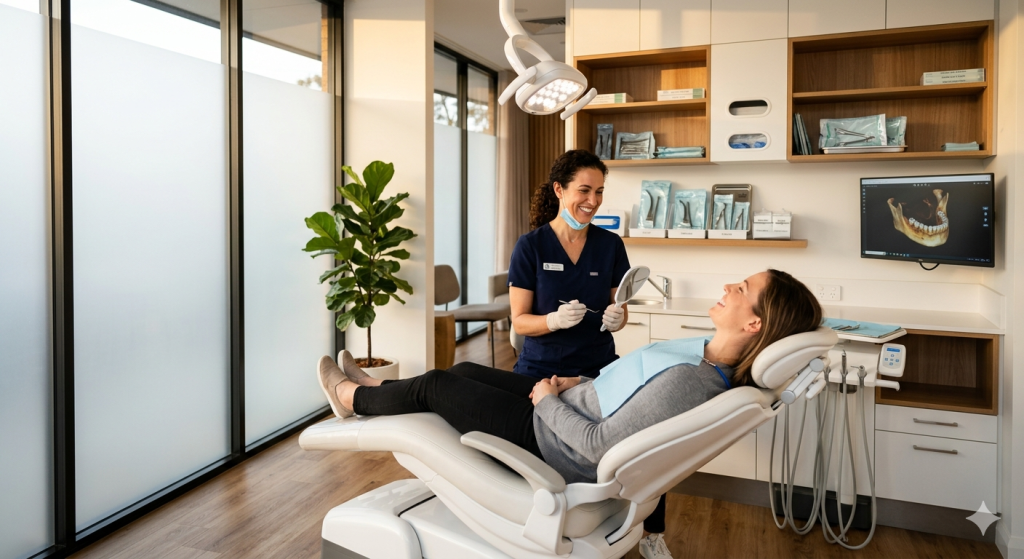
Dental implants have become a reliable and effective solution for people in Vacaville, California, who are looking to replace missing teeth. They provide a natural look and feel while helping maintain jawbone health and overall oral function. Many patients appreciate how implants can restore confidence without the discomfort or inconvenience of traditional dentures.
The procedure typically involves a few simple steps that prioritize patient comfort and long-term results. Local dental experts in Vacaville use modern technology to ensure precise implant placement, minimizing healing time and maximizing success rates. Patients can expect a personalized experience tailored to their unique needs and lifestyle.
For anyone wondering how dental implants work or what to expect in Vacaville, this article breaks down the basics clearly and warmly. He or she can learn about the options available and feel more comfortable taking the next step toward a stronger, healthier smile.
What Are Dental Implants?
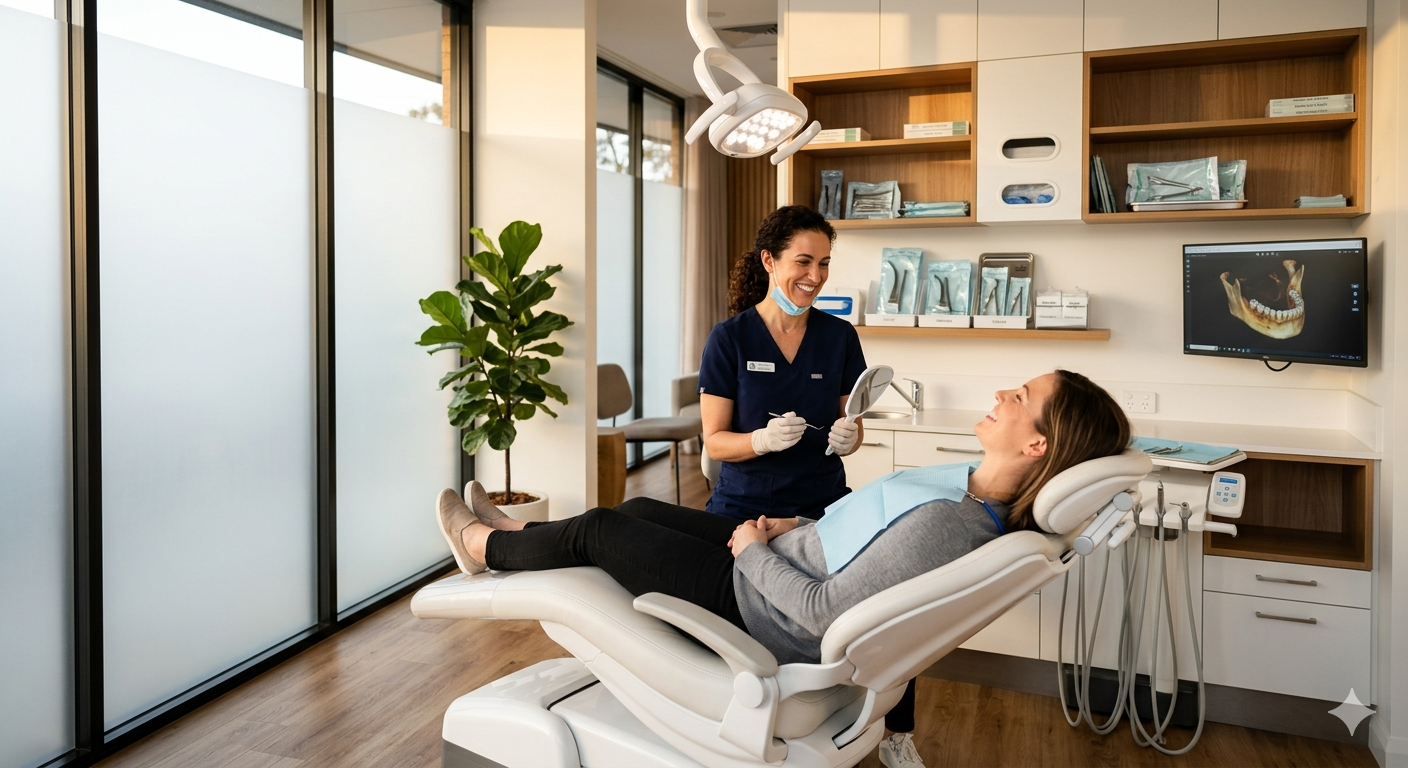
Dental implants are small titanium posts surgically placed into the jawbone to serve as replacement tooth roots. They provide a sturdy foundation for crowns, bridges, or dentures, allowing patients to regain both function and appearance. Implants integrate with natural bone through a process called osseointegration, which ensures long-term stability.
Benefits of Dental Implants
Dental implants offer several key advantages over other tooth replacement options. They restore chewing ability almost like natural teeth, enabling patients to eat comfortably without slipping or discomfort. Because implants fuse directly with the jawbone, they help preserve bone density and prevent the sunken facial look that often comes with missing teeth.
Unlike dentures, implants don’t require adhesives or removal for cleaning. They also avoid putting extra pressure on neighboring teeth, preventing damage that bridges can sometimes cause. Over time, implants tend to be more durable and offer a more natural feel than alternatives, improving overall oral health.
How Implants Compare to Other Tooth Replacements
Compared to dentures and bridges, dental implants provide a permanent, stable solution that functions closely like natural teeth. Dentures, while less invasive and often cheaper initially, can slip, require ongoing maintenance, and may need replacement every few years. Bridges rely on adjacent teeth for support, which can compromise the health of healthy teeth.
Implants, on the other hand, stand independently without affecting nearby teeth. Their integration into the jawbone supports facial structure better than other options. Though implants can require more upfront investment and time for healing, their longevity and comfort make them a preferred choice for many.
Eligibility for Dental Implants
To be a good candidate for dental implants, a person generally needs sufficient jawbone density to anchor the implant securely. Healthy gums and good overall oral hygiene are important for healing and implant success. Chronic conditions like uncontrolled diabetes or smoking can interfere with healing and reduce eligibility.
A thorough dental exam, including X-rays or 3D imaging, helps determine if implants are suitable. In cases where bone loss is present, bone grafting can sometimes rebuild the jaw to support an implant. Age alone isn’t usually a limiting factor, but preliminary health assessments are necessary to tailor treatment plans safely.
Types of Dental Implant Procedures in Vacaville, California
Dental implant procedures vary based on how many teeth need replacement and a patient’s specific dental health. Each approach offers tailored benefits, ensuring comfort and functionality for different situations.
Single Tooth Implants
Single tooth implants are designed to replace one missing tooth. The process involves placing a titanium post into the jawbone, which acts as a root. After this heals, a custom crown is attached to blend naturally with surrounding teeth.
This option preserves neighboring teeth since it doesn’t rely on them for support. The implant also helps maintain jawbone density, preventing bone loss common after tooth extraction. Single tooth implants in Vacaville are praised for durability and a natural look.
Multiple Tooth Implants
When several adjacent teeth are missing, multiple tooth implants provide a stable solution without needing a bridge that affects healthy teeth. Rather than one implant per missing tooth, a few implants can support a dental bridge.
This reduces surgery time and expenses while keeping the jawbone healthy. Multiple tooth implants restore chewing ability and prevent shifting teeth. Vacaville dentists often recommend this when more than one tooth is lost but full dentures aren’t necessary.
Implant-Supported Dentures
Implant-supported dentures anchor a full set of replacement teeth using dental implants. Unlike traditional dentures, these are fixed in place, allowing better stability and comfort.
Typically, 4-6 implants are placed to secure the denture firmly onto the jawbone. This setup avoids slipping and improves speech and eating compared to regular dentures. For patients with extensive tooth loss in Vacaville, this method offers a long-term, comfortable alternative to removable options.
The Dental Implant Procedure Step-by-Step
Dental implant treatment in Vacaville is designed with patient comfort and predictability in mind. Each phase carefully prepares the mouth for a strong, lasting result, ensuring the implanted tooth feels natural and functions well.
Initial Consultation and Evaluation
The process begins with a thorough exam, including X-rays or 3D scans to assess bone density and jaw structure. The dentist will review medical history and discuss any concerns or goals.
This step confirms whether implants are suitable and helps plan the procedure. Sometimes additional treatments like bone grafts may be necessary if bone loss is present.
The patient will receive a clear treatment timeline and pricing estimate. The consultation is also a chance to review anesthesia options to ensure comfort during surgery.
Placing the Dental Implant
During the surgery, a titanium post is carefully inserted into the jawbone where the missing tooth was. Local anesthesia or sedation keeps the patient relaxed and pain-free.
The dentist uses precise techniques to make a small incision in the gum, drill a space in the bone, and place the implant. After placement, the gum tissue is stitched closed over or around the implant.
This procedure typically takes 1-2 hours, depending on the number of implants placed and patient needs. Most patients experience mild swelling or discomfort afterward that resolves in days.
Healing and Osseointegration
Over the next 3 to 6 months, the implant fuses with the jawbone in a process called osseointegration. This creates a stable foundation for the artificial tooth.
During healing, patients should follow care instructions, including avoiding hard foods and practicing good oral hygiene. Follow-up visits monitor progress and address any issues.
Once the implant has fully integrated, the dentist attaches an abutment and custom crown. This final step restores function and appearance close to a natural tooth.
Recovering from Dental Implant Surgery
Recovering from dental implant surgery involves careful attention to daily care and understanding the healing process. Managing pain, swelling, and oral hygiene properly helps ensure successful integration of the implant with the bone.
Post-Procedure Care Tips
After implant surgery, patients should avoid disturbing the surgical site. Eating soft foods like yogurt or mashed potatoes for the first few days protects the area from pressure. They should also avoid smoking and drinking through straws, which can dislodge blood clots and delay healing.
Ice packs applied to the cheek can reduce swelling during the first 24-48 hours. Pain typically subsides within a few days, but over-the-counter pain relievers or any prescribed medication should be taken as directed. Maintaining gentle oral hygiene—using a soft toothbrush and rinsing with saltwater—prevents infection without irritating the gums.
Expected Recovery Timeline
The initial healing phase generally takes 1-2 weeks, during which swelling and tenderness decrease. Most patients can return to normal activities within a few days, though strenuous exercise should be avoided for about a week.
Complete integration of the implant with the jawbone, called osseointegration, can take 3-6 months. During this time, patients should attend follow-up visits for monitoring. Once healed, the implant can support crowns or other restorations, restoring function and appearance safely.
Modern Technology Used in Vacaville Dental Implants
Dental implant procedures in Vacaville use precise imaging and durable materials that improve comfort and success rates. These technologies make implant placement safer and recovery smoother for patients.
Advanced Imaging Techniques
Vacaville dentists rely on 3D cone beam computed tomography (CBCT) scans to capture detailed images of the jawbone, nerves, and surrounding structures. This helps in planning the implant placement with millimeter accuracy, reducing the risk of complications.
Digital impressions replace traditional molds, offering a quicker and more comfortable experience. These scans allow dentists to design implants tailored to each patient’s anatomy, improving fit and function.
Computer-guided surgery may be used, where implant positions are mapped virtually before the procedure. This technology minimizes surgery time and enhances precision, leading to less discomfort and faster healing.
New Materials and Tools
Titanium remains the primary material for implants due to its strength and compatibility with bone tissue. However, Vacaville dentists often use titanium alloys and zirconia for patients with metal sensitivities.
Advanced surgical tools such as piezoelectric devices help perform gentle, precise bone cuts, reducing trauma during implant placement. These instruments support quicker recovery and less swelling.
Restorations made with high-quality ceramics mimic natural teeth better than ever. These materials resist stains and wear, offering durability with a natural look. Dentists also use custom abutments designed digitally for better fit and appearance.
Ensuring Patient Comfort and Safety
Patients undergoing dental implant procedures in Vacaville should expect both comfort and strict safety measures. From managing pain effectively to preventing complications, modern clinics focus on making the experience as smooth and secure as possible.
Pain Management Options
Dental offices in Vacaville offer several pain management techniques tailored to individual needs. Local anesthesia is standard, numbing the specific area to eliminate pain during the implant placement. For those with anxiety or lower pain tolerance, sedation options like nitrous oxide (laughing gas) or oral sedatives are available. These help patients feel relaxed without losing consciousness.
Post-procedure discomfort is usually mild and manageable. Dentists often recommend over-the-counter pain relievers like ibuprofen, which reduce inflammation and discomfort. Clear instructions on medication use and follow-up care ensure patients know how to handle any soreness at home. This proactive pain control helps patients feel confident throughout the healing process.
Preventing Complications
Vacaville dental professionals minimize risks by adhering to strict sterilization and hygiene protocols. Before surgery, thorough assessments identify potential issues such as gum disease or insufficient bone density, which can affect implant success. Digital imaging and 3D scans guide precise implant placement, reducing damage to surrounding tissues.
After the procedure, patients receive detailed care guidelines to avoid infection and promote healing. This includes oral hygiene tips, diet recommendations, and warning signs to watch for, such as excessive swelling or pain. Regular follow-ups allow the dentist to monitor progress and address any concerns early, ensuring the implant remains secure and healthy.
Maintaining Your Dental Implants Long-Term
Keeping dental implants healthy means sticking to a routine that protects both the implant and surrounding gums. This involves regular cleaning habits at home and knowing when professional checkups are needed.
Daily Care and Cleaning
Daily care is essential for implant health. Patients should brush twice a day using a soft-bristle toothbrush to avoid damaging the gum tissue around the implant. Gum-friendly toothpaste, free of harsh abrasives, is recommended to keep the implant surface smooth and clean.
Flossing or using interdental brushes around the implant helps remove plaque where the toothbrush can’t reach. Water flossers are also an effective option to clean gently without irritation. Avoid using metal picks or hard tools that could scratch the implant.
Habits like smoking or eating very hard foods should be minimized, as they can increase the risk of implant failure and gum inflammation. Staying consistent with these daily steps supports implant stability and overall oral health.
When to Visit Your Dentist
Regular dental visits are vital to catch early signs of implant issues. Experts typically recommend checkups every six months, but some patients may need more frequent visits depending on their risk factors.
During these visits, the dentist examines the implant site for signs of gum disease, bone loss, or loose parts. X-rays might be taken to assess the bone structure supporting the implant. If problems are detected early, simple treatments can prevent more serious complications.
Professional cleanings remove any buildup that daily brushing misses. Patients should discuss any discomfort, swelling, or unusual sensations with their dentist right away to ensure quick care and long-term success.
Choosing a Dental Implant Provider in Vacaville, California
Finding the right dental implant provider is essential for a smooth, successful procedure. Important factors include the provider’s experience, technology used, and patient care approach. Asking the right questions will help ensure a good fit and confidence in the treatment plan.
Qualities to Look For
A skilled implant dentist in Vacaville should have specialized training in implantology beyond general dentistry. Experience matters—look for someone who has performed many implant placements with positive patient reviews. Modern technology, like 3D imaging, helps create precise treatment plans, reducing risks and improving results.
Patient comfort is crucial. Providers who offer sedation options and thorough aftercare support can ease anxiety and aid healing. Transparency about costs, timeline, and potential risks shows respect and professionalism. Lastly, consider if the office environment feels welcoming and if the staff answer questions patiently.
Questions to Ask During Consultation
During the consultation, ask about the dentist’s implant success rates and how complications are handled. It’s helpful to learn about the types of implants offered and why one might be best for the individual case. Inquire about the full process: from initial evaluation to healing time and follow-up appointments.
Cost details matter—understand what is included in the fee, such as imaging, surgery, and restoration. Find out about payment options or insurance partnerships. Also, ask about lifestyle recommendations before and after surgery, like diet or smoking cessation, to improve implant success. Clear communication at this stage builds trust and sets realistic expectations.
Cost and Financing Options for Dental Implants
Dental implants in Vacaville, California, generally range from $3,000 to $6,000 per implant. This price includes the implant post, abutment, and crown. However, the total cost can vary based on individual needs, such as bone grafts or additional procedures.
Many dental offices understand that implants are a significant investment. They often offer financing plans to help spread out the cost. Popular options include low-interest payment plans or monthly installments that make treatment more manageable.
Patients should also check if their dental insurance covers part of the implant procedure. While many plans don’t cover implants fully, some may help with related services like X-rays or consultations.
Here’s a simple breakdown of what might impact the price:
| Factor | Impact on Cost |
|---|---|
| Number of Implants | More implants increase the price |
| Additional Procedures | Bone grafts or extractions add fees |
| Type of Crown | Ceramic or custom crowns vary in price |
| Dentist’s Experience | Specialists may charge more |
Exploring financing options and insurance coverage early on can provide peace of mind. It’s always a good idea to talk openly with your Vacaville dentist about costs and payment methods. Taking this step helps patients focus on healing and enjoying a confident smile.
Take the Next Step Toward a Confident Smile
Choosing dental implants is a big decision, but it can be the start of a positive change. Many in Vacaville find that implants restore not only their smile but also their confidence. The process is personalized, with care tailored to your needs and comfort.
A typical implant procedure begins with a consultation where the dentist evaluates oral health and discusses goals. Advanced imaging helps plan the best approach. Then, the implant is placed carefully, often with numbing agents to minimize discomfort.
What patients can expect:
- A thorough exam and treatment plan
- Local anesthesia or sedation options
- Gradual healing time with follow-ups
- Durable and natural-looking results
The dentist guides you through every step, answering questions and making sure you feel at ease. Maintaining implants is similar to natural teeth—good brushing, flossing, and regular check-ups keep your smile healthy.
If missing teeth affect your day-to-day life, a conversation with a Vacaville dental expert could be the next step. They can help break down the process and work with you to create a plan that fits your lifestyle and budget.
Consider scheduling a consultation to explore how implants might improve your oral health and confidence one step at a time.
Frequently Asked Questions
Many patients wonder about their eligibility for implants, what to expect during the treatment, and how to manage costs. They also want to understand pain levels, sedation options, and how to care for their new teeth long-term.
Am I a good candidate for dental implants, and what factors might affect my eligibility?
Candidates need healthy gums and enough jawbone to support the implant. Conditions like uncontrolled diabetes or smoking can affect healing, so these must be discussed with the dentist.
Age is less of a concern than overall oral health. A thorough exam and imaging help determine if implants are suitable.
What does the dental implant process look like from consultation to final crown, and how long does it usually take?
The process starts with a consultation and imaging to plan placement. Next, the implant post is surgically placed in the jawbone.
After healing and osseointegration, which can take 3 to 6 months, the final crown is attached. The timeline varies by individual healing and bone quality.
Will getting a dental implant hurt, and what comfort or sedation options are available during the procedure?
Local anesthesia is used to numb the area, so patients feel little to no pain during surgery. Some practices offer sedation options like nitrous oxide or oral sedatives for extra comfort.
Post-procedure discomfort is usually mild and managed with over-the-counter pain medication.
How much do dental implants typically cost, and what insurance or financing options might help?
Costs vary but generally range from $3,000 to $5,000 or more per implant, including the crown. Insurance coverage depends on the plan and reason for the implant.
Many offices provide financing plans or work with third-party lenders to make payments manageable.
What’s the difference between an implant-supported crown, a bridge, and dentures—and how do I choose what’s best for me?
An implant-supported crown replaces a single tooth with a titanium post and crown. Bridges attach to adjacent teeth, and dentures are removable full or partial sets.
Implants offer durability and bone preservation, while bridges and dentures may be faster or less costly initially.
How do I care for dental implants at home, and what can I do to help them last for years?
Daily brushing and flossing are essential, just like with natural teeth. Avoid hard foods that can damage the crown or surrounding teeth.
Regular dental check-ups and cleanings help monitor implant health and prevent any issues early.