 (707) 314-5816
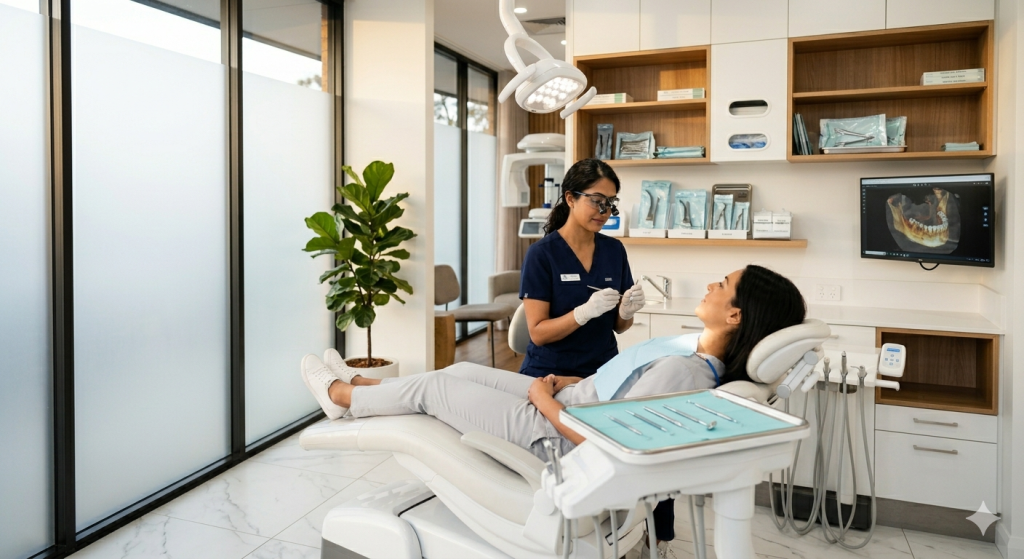
Dental implants in Vacaville, CA offer a reliable solution for those looking to replace missing teeth and restore their smile. They provide a strong, natural-feeling alternative to dentures that support both function and appearance. Many patients appreciate how implants help maintain bone health and prevent shifting of surrounding teeth.
Living in Vacaville means access to modern dental care with experienced professionals who focus on patient comfort throughout every step. Whether someone is considering implants for the first time or exploring options after tooth loss, understanding what’s involved can ease worries and empower better decisions.
Explaining the process in simple terms helps patients feel more confident and informed. From evaluation to aftercare, expert dentists emphasize personalized treatment plans tailored to each individual’s needs. If you’re curious about dental implants, asking questions and scheduling a consultation is a smart next step.
What Are Dental Implants?
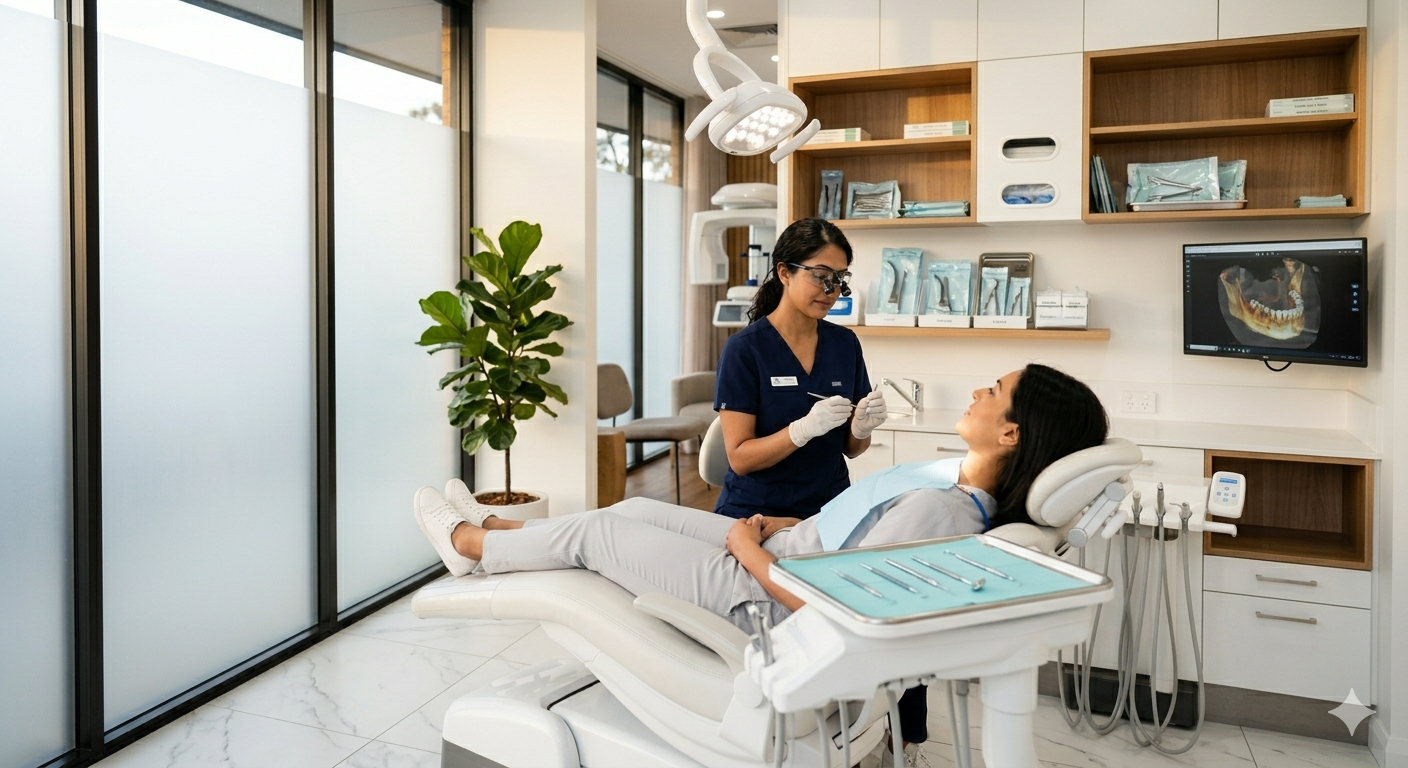
Dental implants serve as a durable and natural-looking solution for replacing missing teeth. They consist of metal posts surgically inserted into the jawbone to support artificial teeth. Understanding how they work, their types, and how they compare to other options can help patients make informed choices.
How Dental Implants Work
Dental implants function by integrating with the jawbone through a process called osseointegration. A titanium post is placed into the bone, acting as an artificial tooth root that provides a stable foundation. After healing, a crown, bridge, or denture is attached to this post.
This method preserves bone density, preventing the shrinking that happens with missing teeth. It also restores normal chewing and speaking ability. The entire process usually takes several months, allowing time for the implant and bone to fuse securely.
Types of Dental Implants
There are primarily two types of dental implants used:
- Endosteal Implants: These are the most common type. They are inserted directly into the jawbone and shaped like small screws or cylinders.
- Subperiosteal Implants: These sit on top of the jawbone but under the gum tissue, used when there isn’t enough bone to place an endosteal implant.
Each type suits different bone and health conditions. Your dentist will recommend the best option based on your jaw structure and overall oral health.
Comparison with Other Tooth Replacement Options
Dental implants differ from bridges and dentures in several ways:
| Feature | Dental Implants | Bridges | Dentures |
|---|---|---|---|
| Stability | Fused to jawbone, very stable | Supported by adjacent teeth | Rest on gums, less stable |
| Impact on Surrounding Teeth | None | Requires filing adjacent teeth | No impact |
| Longevity | Lasts 15+ years with care | Typically 5-10 years | 5-8 years with adjustments |
| Bone Health | Maintains bone density | Does not prevent bone loss | Can accelerate bone loss |
Implants often feel more natural and require less alteration to nearby teeth. However, cost and the condition of the jawbone are factors to consider when choosing the right method.
Benefits of Choosing Dental Implants in Vacaville
Dental implants offer practical solutions for improving dental health and quality of life. They restore function, appearance, and bone strength with lasting results. Patients in Vacaville can expect treatments that balance effectiveness with comfort and care.
Enhancing Smile Appearance
Dental implants are designed to look and feel like natural teeth. The titanium posts fuse with the jawbone, providing a stable base for a custom-made crown. This close match in color, shape, and size helps the implant blend seamlessly with surrounding teeth.
Unlike dentures, implants won’t slip or create gaps that affect your smile. They allow for confident expressions without worrying about appearance. Many patients find this boosts self-esteem and social comfort.
Support for Chewing and Speaking
Missing teeth can make chewing certain foods difficult and lead to speech problems. Implants restore full chewing function because they act like natural tooth roots. This means patients can enjoy a wider variety of foods without discomfort or restrictions.
Speech clarity also improves as implants stabilize the mouth’s structure. They eliminate issues like slurring or lisps caused by missing teeth or loose dentures. For many, this makes everyday communication easier and more natural.
Maintaining Jawbone Health
One key advantage of dental implants is their role in preserving jawbone density. When a tooth is lost, the bone underneath can begin to shrink due to lack of stimulation. Implants stimulate the bone through normal chewing forces, preventing bone loss over time.
Preserving the jawbone supports facial structure and helps avoid changes like sagging cheeks or a sunken profile. This effect keeps the face looking youthful and balanced. Vacaville patients benefit from this when implants prevent complications that might arise with other tooth replacement options.
Choosing dental implants means investing in long-term oral health with comprehensive benefits in appearance, function, and bone preservation.
Who Is a Candidate for Dental Implants?
Dental implant candidates are evaluated based on their oral health, bone structure, and overall medical condition. These factors ensure the implants will integrate well and provide lasting support. Understanding these elements helps determine who is best suited for this procedure.
Evaluating Oral Health
Good oral health is crucial for dental implants to succeed. Candidates should have healthy gums free of active gum disease, as inflammation can interfere with healing. Any existing infections need treatment before placing implants.
Strong oral hygiene habits play a big role in maintaining implant health long-term. Routine checkups help spot problems early and keep gums healthy. If a patient has frequent cavities or untreated tooth decay, these issues must be addressed first to avoid compromising the implant.
Age and Bone Considerations
There is no specific age limit for dental implants, but sufficient jawbone density is necessary. Younger patients whose jawbones are still growing typically wait until growth stabilizes. Older patients often have enough bone, but some may experience bone loss from tooth loss or aging.
Bone grafting is an option when natural bone isn’t adequate. This restores volume to support implants securely. Dentists in Vacaville assess bone quantity and quality using 3D imaging to create a personalized treatment plan.
Common Medical Conditions Affecting Eligibility
Certain health issues can affect implant success. Diabetes must be well-managed since high blood sugar delays healing and increases infection risk. Autoimmune diseases or conditions with weakened immune systems may also complicate recovery.
Smoking reduces blood flow and slows healing, so quitting improves the chances of implant success. Medications like bisphosphonates, used for osteoporosis, may affect bone healing too. A thorough medical history helps dentists identify risks and tailor care for each patient.
The Dental Implant Process Step-By-Step
Getting a dental implant involves several carefully planned stages to ensure a secure, natural-looking result. It starts with a thorough evaluation, followed by the surgical placement of the implant, and ends with attaching a custom restoration for full function.
Initial Consultation and Planning
During the initial consultation, the dentist reviews the patient’s dental and medical history. They perform exams, including X-rays or 3D scans, to assess bone density and determine the best implant location. This step ensures the jawbone can support the implant securely.
The dentist discusses treatment options, timeline, and costs. They may suggest preparatory procedures like bone grafts if bone loss is detected. The plan is tailored to the patient’s oral health and lifestyle, promoting the best chance for long-term success.
Implant Placement Procedure
On the day of surgery, the patient receives local anesthesia or sedation for comfort. The dentist makes a small incision in the gum to expose the jawbone. Then, a titanium implant post is inserted into the bone where the tooth root once was.
After placement, the gum is stitched closed, and a healing period of several months begins. During this time, the bone grows around the implant, a process called osseointegration, securing it firmly in place. Temporary restorations may be used while healing occurs.
Restoration and Follow-Up Care
Once healing is complete, the dentist attaches an abutment, a small connector, to the implant. This supports the final crown, bridge, or denture, which is carefully matched to the natural teeth in color and shape.
Regular follow-up visits monitor healing and ensure the restoration fits well. Patients receive advice on maintaining oral hygiene to protect the implant. Proper care can extend the life of implants and keep the smile healthy and confident.
Caring for Your Dental Implants
Maintaining dental implants requires consistent care and attention. Proper habits around cleaning, eating, and regular dental visits help ensure implants stay healthy and last for many years.
Daily Oral Hygiene Tips
Dental implants need the same daily cleaning effort as natural teeth. Brushing twice a day with a soft-bristle toothbrush helps remove plaque without damaging the implant or gums.
Using a low-abrasive toothpaste protects the implant surface. Flossing is equally important; special implant floss or interdental brushes can clean between implants and natural teeth effectively.
Rinsing with an antimicrobial mouthwash can reduce bacteria and support gum health around the implant. Avoid harsh or abrasive tools, which may scratch the implant crown or irritate soft tissue.
Foods to Enjoy and Avoid
Eating habits affect how well implants hold up over time. Soft, nutritious foods like cooked vegetables, lean proteins, and dairy promote healing and comfort after implant placement.
Avoid very hard foods such as nuts, ice, or hard candies, which can chip or damage the implant crown. Sticky foods like caramel can pull on the implant crown and increase the risk of loosening.
Limiting sugary snacks helps prevent gum disease and decay in surrounding natural teeth. Drinking plenty of water supports saliva production, which helps keep the mouth clean and healthy.
Regular Dental Check-Ups
Routine dental visits are critical for implant success. Dentists monitor implants for stability, check gum health, and catch potential issues early.
Professional cleanings remove hardened plaque (tartar) that daily brushing can miss. The dentist also assesses the fit of your implant crown and may adjust or replace parts as needed.
Most patients benefit from visits every six months, but those with a history of gum disease may need more frequent check-ups. Consistent dental care supports long-term comfort and function of your implants.
What to Expect During Recovery
Recovery after getting dental implants in Vacaville, CA involves some common experiences like mild discomfort and gradual healing. Careful attention to oral hygiene and awareness of normal healing signs help ensure a smooth recovery process.
Managing Post-Procedure Discomfort
After dental implant surgery, it’s normal for patients to experience some swelling, bruising, and soreness around the implant site. Using ice packs during the first 24-48 hours can help reduce swelling. Over-the-counter pain relievers, such as ibuprofen or acetaminophen, are usually sufficient to manage discomfort.
Patients should avoid strenuous activity for a few days and stick to soft foods like yogurt, mashed potatoes, and smoothies. Smoking and drinking through straws are discouraged, as these actions can interfere with healing. Sleeping with the head elevated also helps minimize swelling.
Signs of Healthy Healing
Healthy healing involves gradual reduction of swelling and discomfort over about one to two weeks. The implant site may have slight redness initially, but it should not worsen or develop pus. A forming gum seal around the implant is a good sign.
Patients should notice improved comfort each day and the ability to eat more normal foods slowly. Light bleeding may occur for the first 24 hours but should stop quickly. If the area starts feeling tender without improvement or exhibits persistent bad taste, further evaluation is needed.
When to Contact Your Dentist
Patients should call their dentist if they experience severe pain, swelling that worsens after 48 hours, or continuous bleeding lasting more than 24 hours. Any signs of infection, such as fever, pus, or foul odor, also require prompt attention.
Difficulty swallowing or breathing, sudden loose implants, or numbness beyond a few days are reasons to seek immediate dental care. Early communication helps address complications and supports successful implant integration.
If questions arise during recovery, scheduling a check-up with the dentist is the best way to stay on track toward a healthy smile.
Cost Factors and Financing Options
Dental implants come with several costs that vary depending on the patient’s needs and specific treatment. Understanding insurance coverage, payment plans, and the long-term value of implants can help patients make informed decisions about their oral health and budget.
Insurance Coverage Basics
Most dental insurance plans provide limited coverage for dental implants, often categorizing them as elective or cosmetic procedures. Patients should expect partial coverage, if any, and verify benefits directly with their provider before starting treatment.
Some plans may cover preparatory procedures like X-rays, extractions, or bone grafts. It’s also common for the implant crown—the visible tooth replacement—to receive some insurance assistance, but the surgical implant placement often is excluded.
Patients are encouraged to contact their insurer for a detailed breakdown of covered services and out-of-pocket costs. Many dental offices in Vacaville offer assistance in navigating insurance claims to maximize benefits.
Payment Plans and Budgeting
Dental implant treatment can range from $3,000 to $5,000 or more per implant, depending on factors like bone grafting and type of restoration. Because this cost can be significant, many dental offices in Vacaville offer flexible payment plans.
These plans may include low or zero-interest monthly payments, making it easier to spread out expenses over several months. Some dentists also accept CareCredit or similar healthcare financing options.
Patients should discuss budget concerns openly with their provider to find a plan that fits. Clear communication can ease financial stress and allow focus on healing and treatment success.
Long-Term Value Compared to Alternatives
While dental implants generally have a higher upfront cost than dentures or bridges, their durability often means fewer replacement expenses over time. Implants can last 20 years or more with proper care, supporting natural bone health.
Unlike dentures, implants do not require adhesives or daily removal, offering greater comfort and function. Bridges may impact adjacent teeth, but implants preserve natural tooth structure.
Patients who consider implants as a long-term investment often find that the initial cost is offset by improved quality of life and reduced maintenance. Discussing these factors with a dental professional helps weigh costs and benefits realistically.
Selecting a Dental Implant Provider in Vacaville
Choosing the right dental implant provider matters just as much as the implant technology itself. Patients should look closely at experience, patient care, and clear communication to feel confident and comfortable throughout the process.
Qualities of Trusted Dental Professionals
A reliable dental implant provider in Vacaville combines extensive training with real-world experience. Look for dentists who have advanced education in implant dentistry, such as certifications from the American Academy of Implant Dentistry (AAID) or similar organizations.
Patient comfort and personalized care are key qualities. The provider should explain every step clearly and listen carefully to concerns. Modern clinics often use digital imaging and 3D scans to plan precise treatments, reducing discomfort and improving results.
Check reviews and ask for before-and-after photos of past patients. This insight shows the provider’s skill and how they handle different cases.
Questions to Ask During Your Consultation
During your meeting, ask specifically about the provider’s experience with dental implants in Vacaville. Inquire how many procedures they perform annually and their success rate.
Discuss the types of implants available and why one might be recommended over another. Understanding material choices, timelines, and potential risks helps you make an informed decision.
Ask about pain management options and what to expect during recovery. Inquiring about follow-up care and what support is available if complications arise is also important.
Clarify costs upfront, including insurance support and payment plans, so there are no surprises later.
Making Your Final Decision
After gathering information, weigh the provider’s qualifications, technology, and communication style. Comfort with the team can impact your overall experience as much as technical skill.
Compare treatment plans and pricing from different providers. Choose someone who offers clear explanations and personalized care tailored to your health needs.
Trust that the right provider will prioritize your oral health and support you from initial consultation to final restoration. Taking this careful approach helps ensure your dental implant journey in Vacaville is as smooth and successful as possible.
Modern Advances in Implant Dentistry
Dental implant care in Vacaville now benefits from significant improvements that make treatment quicker and more precise. These advances allow for better outcomes and a more comfortable experience for patients.
Latest Technology and Techniques
The introduction of 3D imaging and computer-guided surgery has transformed dental implant placement. These technologies create detailed maps of the jawbone, helping dentists position implants with exceptional accuracy, reducing risks and healing times.
Another breakthrough is the use of immediate-load implants. This approach can place a temporary crown on the same day as the implant, significantly cutting down the time patients wait to restore their smile. Additionally, new biocompatible materials, like titanium-zirconia alloys, enhance implant durability and fusion with bone.
With digital impressions replacing traditional molds, the entire process becomes smoother and less invasive. Patients benefit from fewer appointments and a customized fit that feels natural.
Comfort-Focused Innovations
Patient comfort has become a primary focus in implant dentistry. Improved anesthetics and sedation options help reduce anxiety and pain during procedures. Many practices use vibration devices or laser technology to minimize tissue trauma.
Additionally, advanced implant designs now support faster healing and less swelling. Some implants feature surface coatings that encourage better bone integration, which means fewer complications and a quicker return to normal eating and speaking.
Dentists also offer more personalized aftercare plans, including special mouth rinses and low-level laser therapy, to speed recovery and reduce discomfort. This focus on comfort makes dental implants a more approachable solution for many people considering tooth replacement.
Taking the First Step Toward a Restored Smile
When someone decides to explore dental implants in Vacaville, CA, the journey begins with a thorough consultation. The dental expert listens carefully to each person’s unique needs, medical history, and smile goals.
During this visit, the dentist may use digital imaging to assess bone health and structure. This helps ensure the implant will fit securely and function properly over time.
Patients often worry about discomfort or what the procedure involves. The dental team explains every step clearly, focusing on comfort and safety. Local anesthesia or sedation options help make the experience as smooth as possible.
Here’s a simple checklist for the first appointment:
- Review medical and dental history
- Conduct oral exam and imaging
- Discuss treatment plan and options
- Answer patient questions and concerns
This approach empowers patients with knowledge and confidence. It transforms uncertainty into a clear plan toward a healthier, natural-looking smile. Anyone curious about dental implants is encouraged to reach out and schedule a consultation to learn more.
Frequently Asked Questions
Dental implants involve several steps, from evaluating bone health to placing the implant and fitting the crown. Comfort during the process and long-term care are important parts of successful treatment.
Am I a good candidate for implant treatment if I’ve had missing teeth for years?
Yes, many patients with long-term missing teeth can still get implants. The dentist will evaluate bone density and gum health to confirm if implants are suitable or if preparatory treatments are needed.
What does the implant process look like from the first visit to the final crown?
It starts with an exam and imaging to plan placement. The implant is surgically placed into the jawbone, followed by a healing period for osseointegration. Finally, the dentist attaches the custom-made crown for a natural look.
How much discomfort should I expect during and after the procedure, and what helps it feel easier?
Most patients feel minimal discomfort during surgery due to local anesthesia. Some swelling or soreness may follow but usually subsides in a few days. Over-the-counter painkillers, ice packs, and following care instructions help manage recovery.
How long do implants typically last, and what daily care keeps them healthy?
With proper care, implants can last 20 years or more. Brushing twice daily, flossing, and regular dental check-ups keep them healthy and prevent gum issues around the implant.
What are my options if I don’t have enough bone for an implant right now?
Bone grafting is a common solution to rebuild lost bone. In some cases, special implants designed for lower bone volume may be recommended. Your dentist will discuss the best approach based on your condition.
Do local dental offices typically offer flexible payment plans or accept Medi-Cal for parts of my care?
Many dental offices in Vacaville offer payment plans to spread out costs. Medi-Cal coverage varies, so it’s important to check with your provider and the dental office to understand what is covered for implants and related procedures.